
English| EUR
Suggested for you
More currencies
Choose a language
Appenzell has mastered two of Switzerland's defining crafts—alpine cheese and handmade chocolate—and the question of whether they belong on the same plate divides traditionalists and experimentalists alike. This guide explains the flavor chemistry that makes certain combinations work, the pairings local producers recommend, and where to taste them in the region's dairies and chocolate workshops.
Quick answer
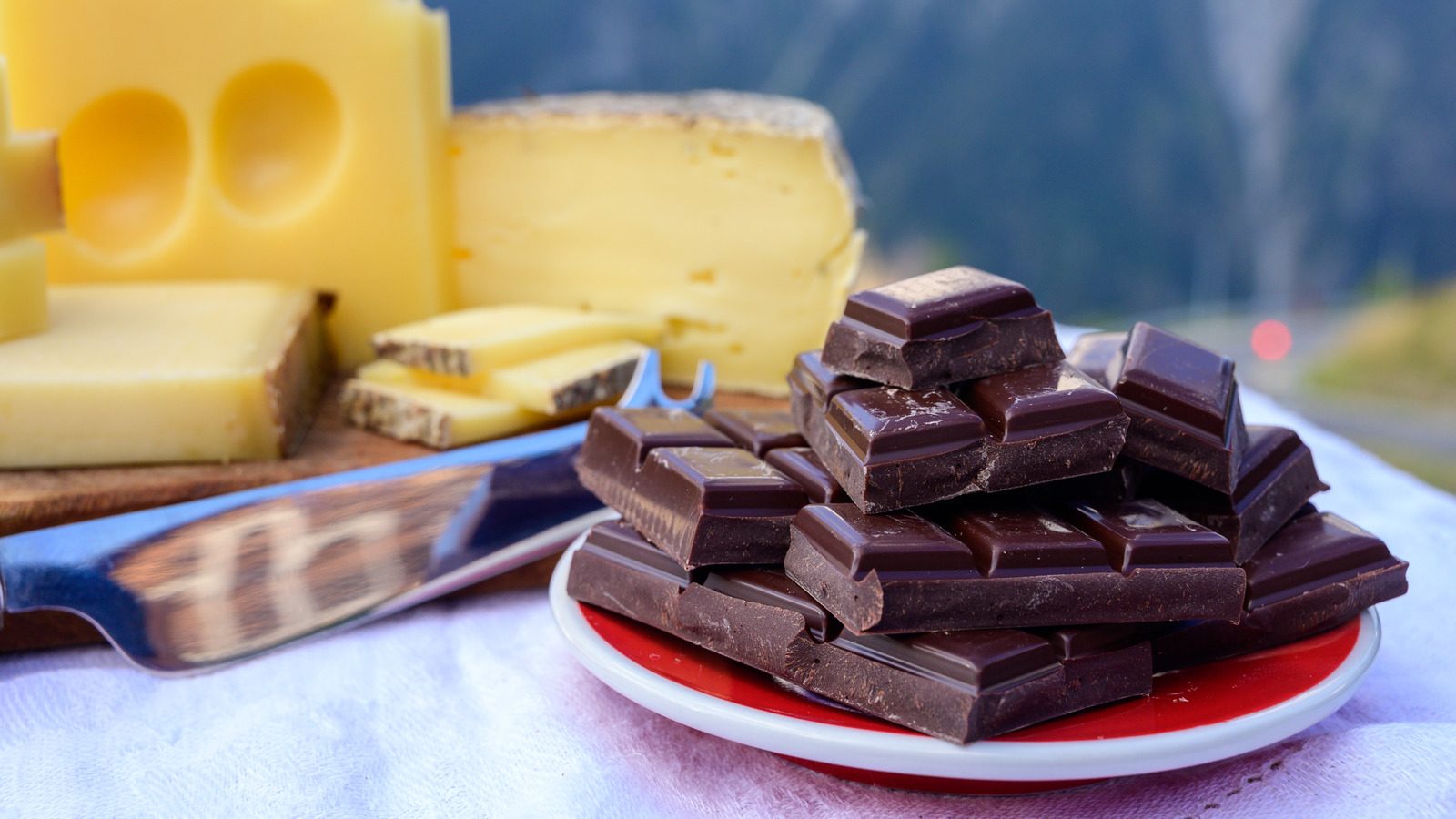
Yes, cheese and chocolate go together when the pairing respects fat content, acidity, and flavor intensity. Aged Appenzeller pairs well with dark chocolate above 70% cacao—the cheese's nutty, herbal notes balance chocolate's bitterness—while younger, milder cheeses clash with strong chocolate. The key is matching intensity: sharp cheese with bold chocolate, creamy cheese with milk chocolate. Local dairies in Appenzell demonstrate these pairings during tasting sessions at venues like the Show Dairy in Stein.
The combination sounds unlikely until you consider the mechanics. Cheese and chocolate share a reliance on controlled fermentation, aging, and fat to carry flavor. When the pairing works, it works because both components occupy the same weight class—neither overpowers the other, and the fat in each coats the palate in a way that lets secondary flavors emerge. Aged Appenzeller, with its crystalline texture and herbal brine finish, finds its counterpart in single-origin dark chocolate. The cheese's umami depth softens chocolate's astringency, while cacao's slight acidity cuts through butterfat. Not every pairing succeeds. Younger, elastic cheeses lack the complexity to stand beside chocolate, and milk chocolate's sugar overwhelms delicate alpine varieties. The Show Dairy in Stein demonstrates the principle with a tasting board that combines six-month Appenzeller with 75% Venezuelan chocolate and a drizzle of alpine honey. The honey acts as a bridge, its floral sweetness linking the cheese's savory backbone to chocolate's roasted notes. Local chocolatiers in the village follow a similar logic, embedding cheese crumbles in ganache or pairing chocolate bark with aged slices during seasonal tastings. The tradition is newer than either craft alone. While Appenzell has produced cheese since the thirteenth century and Switzerland industrialized chocolate in the 1800s, the intentional pairing of the two emerged in the last two decades as chefs and sommeliers applied wine-pairing principles to dairy. The approach treats cheese as a textural and aromatic canvas rather than a savory silo. Fat content, moisture level, and aging time become variables to match against cacao percentage, roast profile, and sugar ratio. Visitors exploring the cheese and chocolate pairing question in Appenzell should start with a structured tasting rather than improvising at a market stall. The Show Dairy offers a pairing experience that includes production observation, guided tasting, and context about the region's dairy practices. The facility's viewing gallery overlooks copper vats where cheesemakers work through the morning curd process, and the attached tasting room stocks both local chocolate and cheeses aged on-site. Arriving during morning production hours allows you to see the raw material—whole milk from alpine pastures—before tasting the finished pairing.
“When the pairing works, it works because both components occupy the same weight class—neither overpowers the other, and the fat in each coats the palate in a way that lets secondary flavors emerge.”
While Swiss cheese and artisanal chocolate are traditionally enjoyed as distinct culinary experiences, they share a common heritage rooted in the region's commitment to high-quality craftsmanship. Pairing these two elements relies on balancing the savory, complex proteins of aged cheese with the nuanced, often acidic profiles of fine cocoa.
The high fat content in both Appenzell cheese and premium chocolate allows for a smooth mouthfeel that helps temper the intense, sharp characteristics of aged alpine dairy. Pairing a mild, creamy cheese with a dark chocolate containing 70% cocoa creates a balance between savory saltiness and subtle sweetness.
Both cheese and chocolate are sensitive to temperature, which significantly alters how volatile aromatic compounds are released on the palate. Serving both at room temperature allows the full spectrum of flavors, from nutty cheese notes to floral cocoa undertones, to develop simultaneously.
Appenzell producers and Swiss chocolatiers prioritize raw, high-quality ingredients sourced from local mountain pastures. This dedication to origin, known as terroir, ensures that even when consumed separately, the products reflect the unique climate and geography of the region.
To experience these flavors together, experts suggest placing a small piece of cheese on the tongue followed by a sliver of dark chocolate. The interplay of the cheese's salt and the chocolate's natural acidity produces a new, integrated flavor profile distinct from consuming either alone.
In local culinary customs, these items are often served sequentially as part of a tasting board to demonstrate the breadth of regional production. The transition from savory cheese to sweet chocolate serves as a palate journey that highlights the sophistication of Appenzell agriculture.
The best arrival window is 09:00–11:00, as arriving early allows visitors to observe cheese production in the vats before the midday break. Planning your trip around this production cycle ensures the most educational experience for those exploring the relationship between Appenzell cheese and regional chocolate.
—
Arriving early provides the best opportunity to see production processes in the vats. Mid-week visits typically experience lower foot traffic than weekends.
Mild, 12°C–18°C
Spring weather is favorable for travel, and production remains consistent throughout these months.
Cool, 8°C–15°C
This period offers clear conditions and coincides with traditional alpine descent events in the Appenzell region.
Verdict: Arrive between 09:00–11:00 on a weekday during May or October for optimal production observation and manageable crowds.
The Appenzell Show Dairy maintains consistent daily operating hours throughout the week. You may plan your visit on any day, including weekends.
The Appenzell Show Dairy is located in Schwende bei Stein, 9063 Stein AR, Switzerland. It is most easily reached via the regional rail network connecting to the Appenzell region.
Appenzeller Bahnen (AB) line to Stein AR station
PostBus route 181 to Stein AR, Schaukäserei stop
Route 462 to Schwende bei Stein
If arriving by train, the facility is a short walk from the Stein AR station. Visitors driving via road 462 will find parking facilities directly at the site.
Everything you need to know about does cheese and chocolate go together
Local culinary traditions often feature high-quality dairy alongside regional cocoa specialties. Learning how does cheese and chocolate go together involves exploring the contrast between sharp, aged textures and smooth, sweet confectionery notes.
Yes, visitors can explore the synergy of local flavors through a dedicated Appenzell cheese and chocolate tour. These experiences highlight how artisanal production methods for both items share roots in the surrounding Alpine landscape.
The concept of does cheese and chocolate go together is rooted in the Swiss tradition of pairing savory, rich milk products with fine chocolate. Many visitors find that balancing the saltiness of the curd with the sweetness of cocoa creates a sophisticated sensory experience.
The most effective method is to sample the products produced at the show dairy alongside locally crafted chocolate. Sampling them in a controlled environment allows you to understand if does cheese and chocolate go together in ways that suit your specific personal taste.
While the dairy focuses primarily on the craft of cheesemaking, it serves as the perfect starting point to investigate the pairing. Observing the production of raw milk products provides context for why regional pairings are so highly regarded in this area.
The admission fee for the Appenzell Show Dairy experience is 14 CHF per adult. This fee grants you access to the facility to observe the production of traditional dairy goods.
The facility is open daily, from Monday through Sunday, between 09:00–18:30. This consistent schedule ensures that visitors can plan their exploration of regional flavors throughout the week.